Whether it's off-season production, holiday breaks, or equipment maintenance, as long as the equipment is shut down for a long time, restarting it is not as simple as "pressing the switch". One step negligence may lead to equipment failure, production interruption, and even safety hazards. Today, we will break down the key inspection preparation work before restarting a long stopped device into specific problems and explain them clearly. By following them, we can avoid detours and risks!
Many people think that 'if the device is left intact, just turn it on', but this is actually a misconception. After a prolonged shutdown, the electrical system of the equipment may become damp and aged, the hydraulic and pneumatic systems may experience pressure loss or oil deterioration, mechanical components may become stuck due to rust or dust, and even the surrounding environment may change and affect operation. Directly turning on the device is like making someone who has been lying down for a long time suddenly sprint, which is likely to cause problems. Pre inspection preparation is not only to protect equipment and extend its lifespan, but also to ensure production safety and efficiency.
2. Core Inspection and Preparation Question List (with Detailed Answers)
Question 1: What details should be checked for the equipment's appearance and surrounding environment?
Answer: This is the most basic and indispensable step, and the core lies in three key points: clean, unobstructed, and undamaged. First, thoroughly clean the dust, oil stains, and debris on the surface of the equipment, especially key components such as transmission parts, operation platforms, and sensors. A little debris may affect subsequent operation; second, carefully check whether the equipment shell and base are deformed or cracked, and whether the connecting bolts and nuts are loose. If problems are found, tighten or repair them in time, and don't take chances with "small problems don't affect"; finally, be sure to confirm the surrounding environment of the equipment: the passage must be unobstructed, and no materials, tools or other obstacles can be piled up; the ventilation and lighting conditions must be normal; there should be no flammable, explosive or corrosive items around, and the fire-fighting facilities must be complete and usable normally.
Question 2: The electrical system is a key focus; which parts must be inspected one by one?
Answer: The electrical system is directly related to safety and equipment power, and the inspection must be detailed, comprehensive, and without dead ends. First, check the power lines: carefully check whether the power lines and control lines are damaged, aging, or peeling, whether the joints are loose or oxidized, and whether the grounding lines are intact. These are the keys to preventing short circuits and electric leakage; second, check the electrical components: open the electrical control cabinet, first clean the internal dust, then check the circuit breakers, contactors, relays, fuses and other components one by one to see if they are normal, whether the terminal blocks are loose, and whether the indicator lights and instruments can display normally; third, test the power supply: if the equipment has a backup power supply, first check the status of the backup power supply, then try to connect the main power supply, confirm that the voltage and current are stable within the rated range of the equipment, and proceed to the next step only if there is no abnormality.
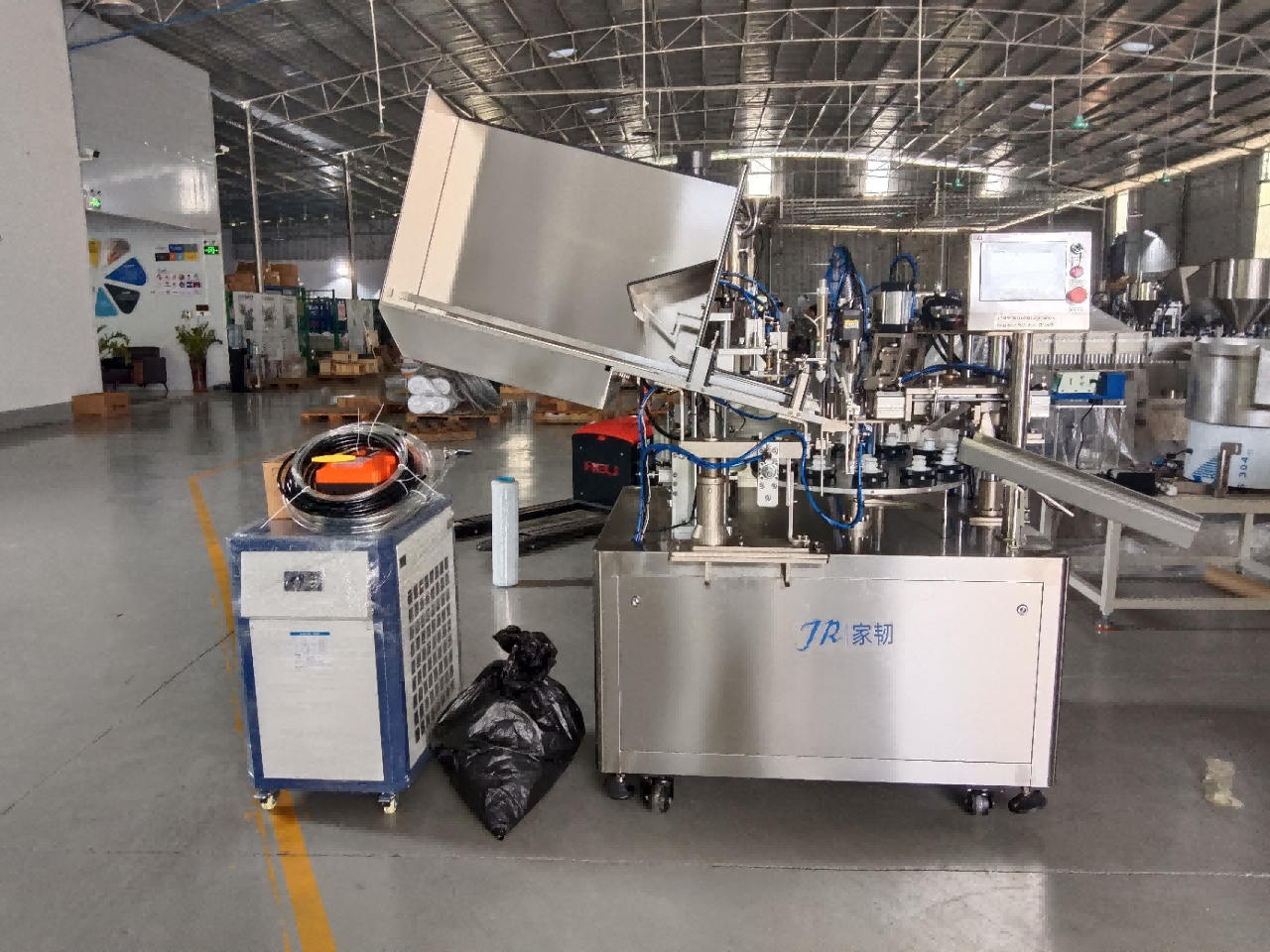
Question 3: Hydraulic/pneumatic systems are prone to problems; how should they be inspected?
Answer: Both hydraulic and pneumatic systems transmit power through oil and gas. After a long shutdown, problems such as leakage, deterioration, and insufficient pressure are likely to occur, so they must be inspected carefully separately. For the hydraulic system: first check the hydraulic oil level to see if it is within the specified scale range; if it is insufficient, supplement the oil of the same model; then observe the oil state. If it is turbid, discolored, has impurities or peculiar smell, it means the oil has deteriorated and must be completely replaced, and the oil tank and filter element should be cleaned by the way; then check whether the hydraulic pipelines, joints, and seals are leaking, and handle the leakage in time; before starting the hydraulic pump, be sure to manually exhaust to avoid air blockage. After starting, observe the pressure gauge to confirm whether the system pressure is stable and whether there is abnormal vibration and noise. For the pneumatic system: first check whether the compressed air pipeline is leaking and whether the joints are tight; then clean the air filter and check whether the filter element is blocked; then check the pressure of the air storage tank to confirm that it meets the working requirements of the equipment; finally, discharge the condensed water in the air storage tank to avoid moisture entering the system and affecting the service life of the components. Especially for equipment that relies on hydraulic/pneumatic systems such as jiaren's tube filling and sealing equipment, this step should be more careful.
Question 4: For mechanical transmission components, which states need to be focused on confirming?
Answer: Mechanical transmission is the core of equipment operation. After a long shutdown, problems such as rust, jamming, and insufficient lubrication are likely to occur, which will directly affect the operation accuracy and service life of the equipment. First, check the transmission components: carefully check key components such as gears, chains, belts, sprockets, and guide rails for rust, wear, and deformation. Check whether the tightness of the chains and belts is appropriate; adjust them in time if they are too loose or too tight; replace severely worn ones directly, don't make do with them; second, check the lubrication situation: check whether the lubricating oil or grease at each lubrication point is sufficient and whether the oil quality has deteriorated. Supplement if insufficient and replace if deteriorated. Especially for key friction parts such as bearings and guide rails, it is necessary to ensure adequate lubrication to reduce wear during startup; finally, manual turning: for equipment that can be turned manually, be sure to turn the main shaft or transmission components by hand to confirm that the rotation is flexible without jamming or abnormal noise. If there is a sense of resistance, be sure to find out the cause first, and never start it forcibly.
Question 5: What preparations need to be done in advance for materials and consumables?
Answer: After the equipment is restarted, it is necessary to enter a stable production state as soon as possible. The preparation work for materials and consumables must be fully done in advance, and you can't be in a hurry after the equipment is started. First, count the required materials, such as tubes and raw materials for production, confirm that the quantity is sufficient, and at the same time check the quality and shelf life of the materials. Deteriorated and expired materials must not be put into production to avoid affecting product quality; second, check the consumables required for production, such as lubricating oil, seals, filter elements, wearing parts, etc., ensure that the inventory is sufficient, and they are all genuine products that meet the equipment specifications. Don't use inferior consumables to delay production and damage equipment; finally, put the materials and consumables in the designated positions in advance and make marks to facilitate the access of operators and improve production efficiency. In addition, check whether the material conveying pipelines and feed inlets are blocked or polluted, and clean them in advance to avoid impurities mixing into the production process.


